How To Tailor Clothes For A Better Fit: 5 Outfit Glow-Ups You’ll Wear On Repeat
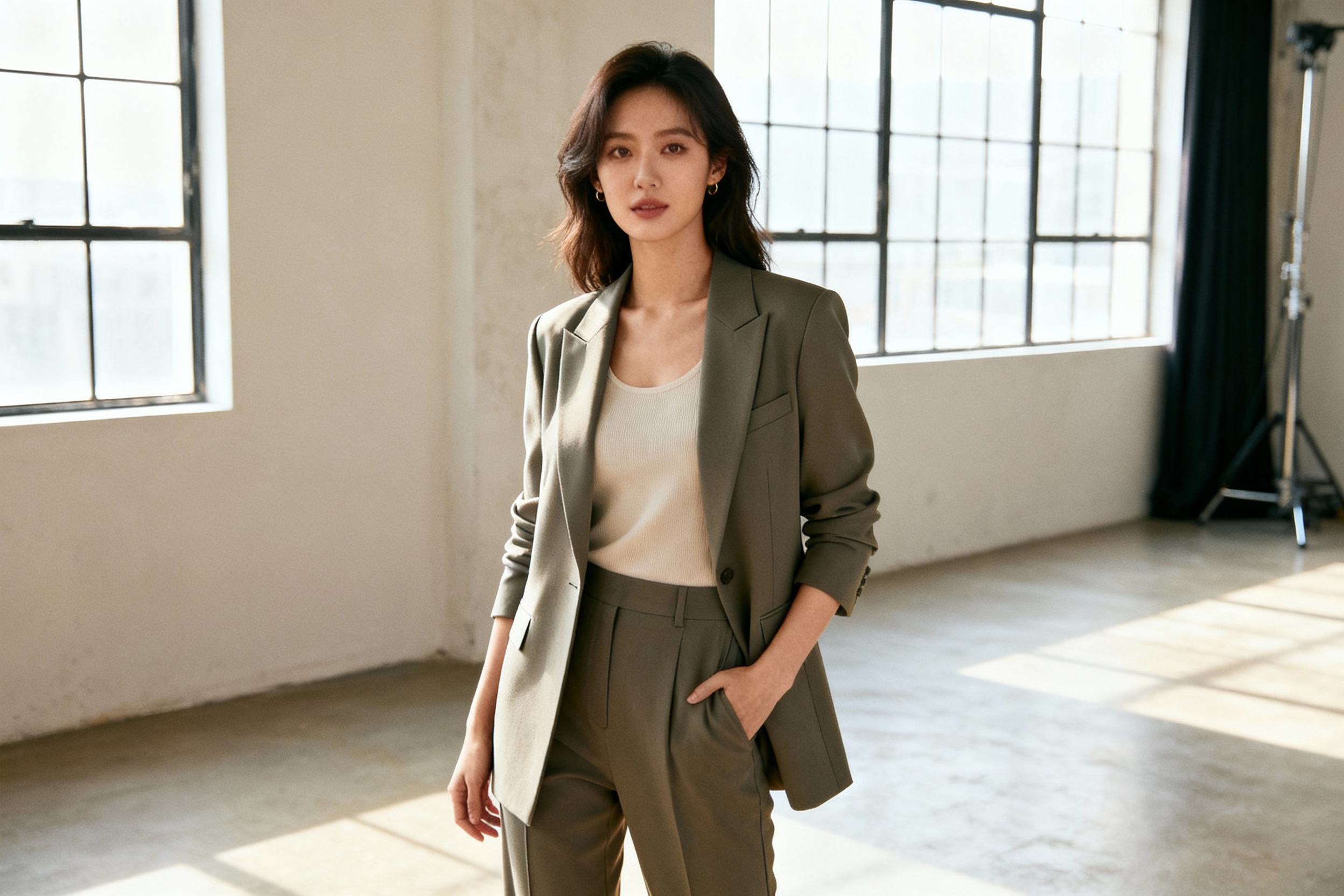
Let’s be real: the difference between “nice outfit” and “wow, who is that?” usually comes down to fit. You don’t need a brand-new wardrobe—just a few smart tailoring tweaks. I’m walking you through five killer outfits that show exactly where to nip, tuck, hem, and tweak so your clothes sit like they were custom-made for you. Trust me, these small changes make a massive difference—no sewing degree required.
1) The Power Suit, But Softer
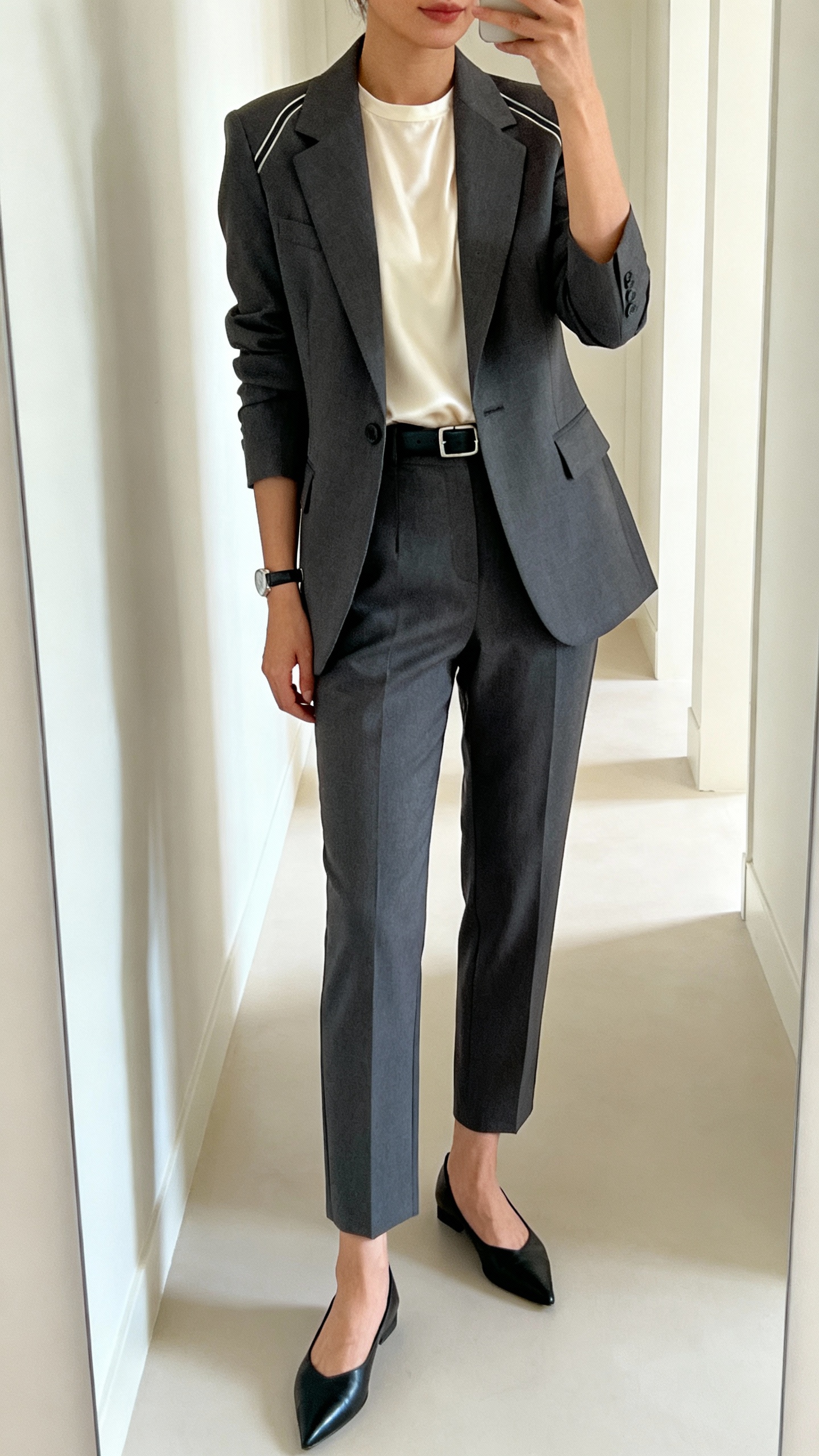
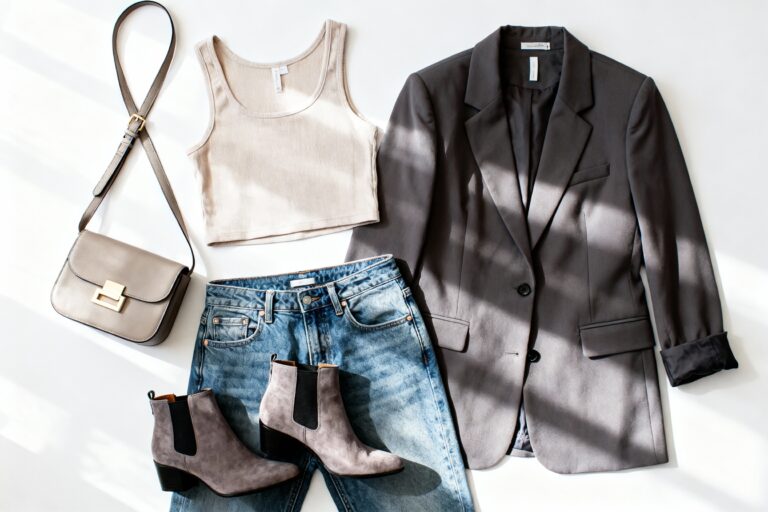
This isn’t your stiff boardroom suit. It’s polished, relaxed, and tailored in all the right places. The goal is sharp shoulders, a defined waist, and trousers that skim the shoe with zero pooling. You’ll look effortlessly put together without feeling uptight. Seriously, this is your secret weapon for instant authority.
Outfit Pieces:
- Single-breasted blazer in charcoal or navy
- Straight or slightly tapered trousers in the same fabric
- Silk or cotton blend tee in cream or soft gray
- Pointed-toe flats or sleek loafers in black or tan
- Minimal belt in black or brown leather
Styling Tips:
- Blazer shoulders first: The shoulder seam should align with your natural shoulder. If it sits past the edge, size down. Tailors can’t fix oversized shoulders well—start here.
- Pinch test at the waist: You should be able to pinch about an inch of fabric at the blazer’s waist. Any more? Ask for a gentle taper to bring it in. You’ll get shape without pulling at the buttons.
- Sleeve length matters: Aim for sleeves to hit at the wrist bone, showing a half inch of shirt cuff if you’re wearing one. Hemming sleeves (with or without working buttons) is a straightforward alteration.
- Trousers, meet your ankle: Hem trouser legs for a slight break—just kissing the top of your shoe. If fabric pools, you’ll look shorter. If they’re too cropped, they skew casual. Tailors can hem or add a subtle taper below the knee for a cleaner line.
- Waistband comfort: If trousers gap at the back, ask for a center-back seam adjustment. A tiny tweak makes belts optional.
- Keep the tee neat: If your tee bunches under the blazer, size down one or go for a thicker fabric so it lays smooth.
Where to wear: Big meeting, gallery opening, fancy lunch, or any time you want that “I’ve got this” energy without looking stiff.
2) The Elevated Denim Day-Off
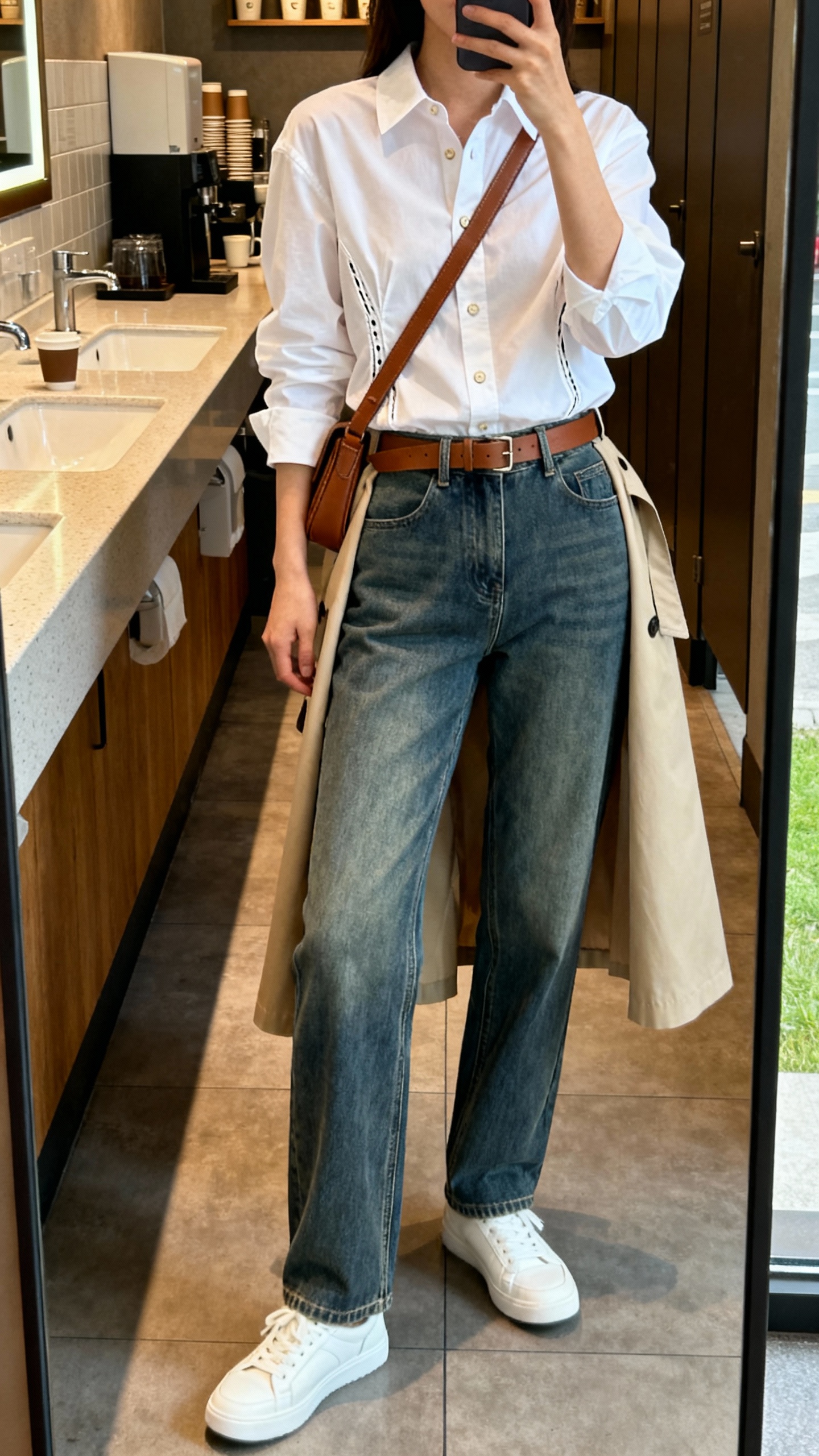
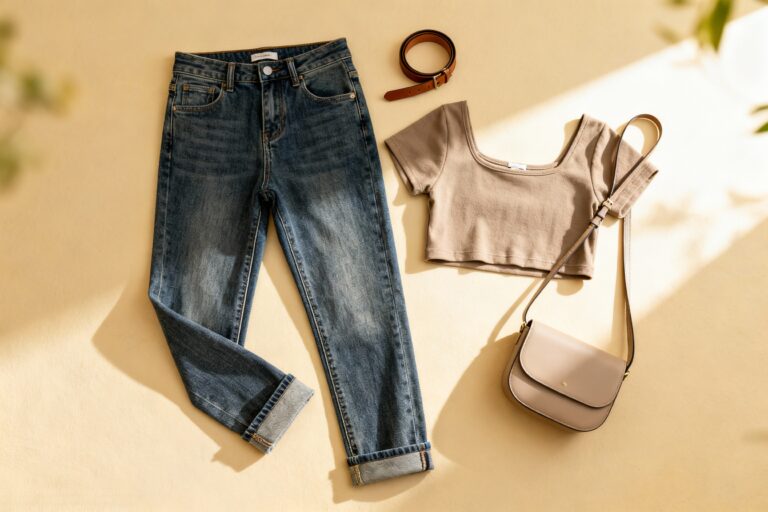
Jeans and a shirt can look unbelievably chic with the right fit moves. Picture this: denim that hugs perfectly at the waist, smooth over the hips, and hits the ankle just so. Top it with a crisp shirt and you’re suddenly the main character on your coffee run. Easy, breezy, but very intentional.
Outfit Pieces:
- High-rise straight-leg jeans in classic mid-wash
- Cotton poplin button-down in white or cream
- Lightweight trench in beige or khaki
- Clean white sneakers or ankle boots in tan
- Crossbody bag in cognac or black
Styling Tips:
- Waistband magic: If your jeans gap at the back, a tailor can nip the waistband 1–2 inches without ruining the rise. Option B: ask for darts if you want a subtle fix with minimal hardware changes.
- Hem for sneakers: Stand in your favorite shoes and mark the hem so the jeans graze the top with no stacking. A raw hem looks modern; a clean hem looks polished. Either way, get the length right.
- Slim the calf (sparingly): If straight-leg jeans feel boxy, a mild taper below the knee keeps structure while flattering the leg line. Don’t overdo it—subtle is key.
- Button-down shaping: Tailor side seams or add darts to reduce boxiness. You’ll get a gentle waist shape without losing that relaxed vibe.
- Sleeve cleanup: Shorten sleeves to hit right at the wrist bone or just above if you prefer cuffing. A neat sleeve changes everything.
- Trench tune-up: Hem the trench to mid-thigh or just above the knee if it overwhelms you. Ask for a belt loop adjustment so the belt sits at your natural waist.
Where to wear: Weekend markets, coffee dates, casual Fridays, and travel days when you want to look cool but stay comfy.
3) The Date-Night Slip With Edge
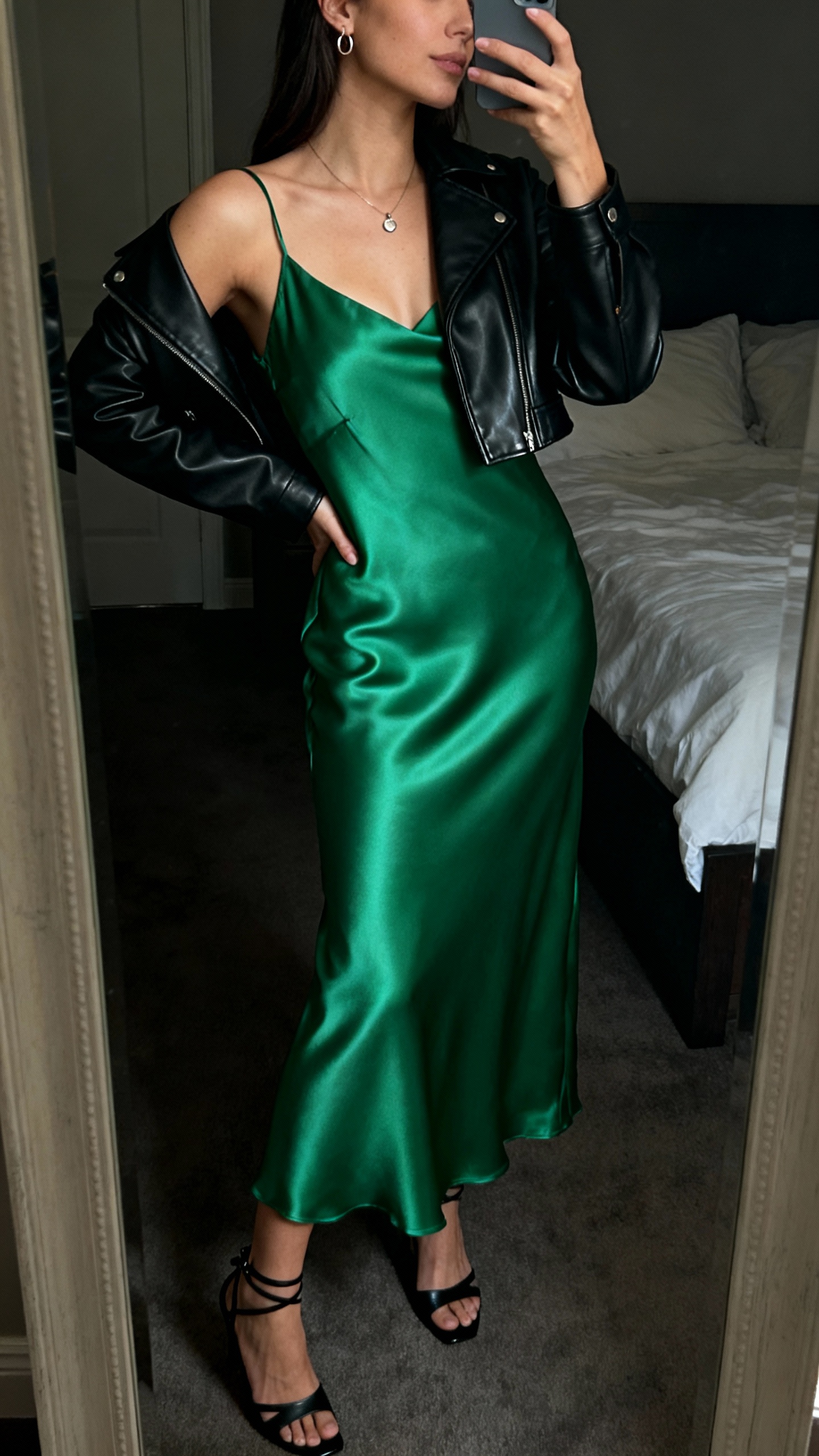
The slip dress is a chameleon—sweet, sleek, or sultry depending on fit and styling. The tailored twist? Strategic tweaks to the bust, straps, and side seams. Add a small leather jacket and strappy heels, and you’re good to go with zero fuss. It’s one of those “oh, this old thing?” outfits that always hits.
Outfit Pieces:
- Bias-cut slip dress in satin or matte silk, in jewel tones or classic black
- Cropped leather or faux-leather jacket in black or deep brown
- Strappy heels or block-heel sandals in black or metallic
- Delicate pendant necklace and small hoop earrings
- Clutch or small shoulder bag
Styling Tips:
- Strap surgery: Have the straps shortened so the neckline sits flat across the chest—no gaping, no slip-sliding. It’s the fastest way to make a dress look custom.
- Bust darts matter: If the fabric bubbles at the bust, add or adjust darts. Tailors can move darts so they point to the fullest part of the bust and lay smooth.
- Skim, don’t squeeze: Ask for a tiny take-in at the waist and hips so the dress traces your shape without pulling across the stomach or thighs. One or two centimeters can transform drape.
- Length check: Midi length tends to be universally flattering. Hem to hit mid-calf where your leg looks slimmest. Shorter? Go just above the knee for movement.
- Jacket proportion: Keep the jacket cropped to the waist or high hip so it frames the dress. If it’s longer, consider a hem for better balance.
- Anchor with shoes: If the dress is slinky, go for a block heel for stability and clean lines. If you choose metallic, keep jewelry minimal for cohesion.
Where to wear: Dinner dates, cocktail parties, rooftop birthdays, or a night at the theater. It photographs beautifully—just saying.
4) The Sharp-Casual Knit Set
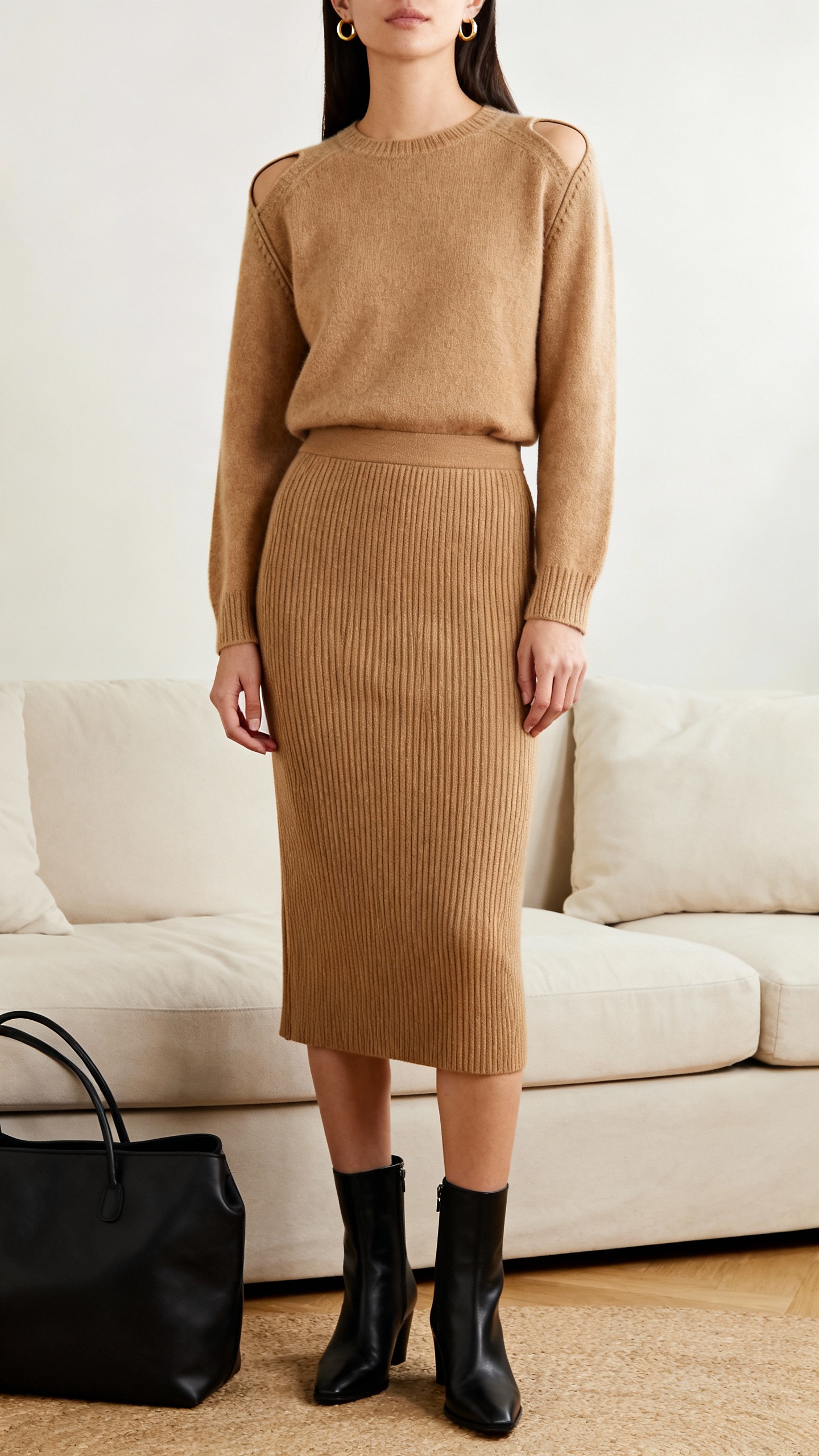
Matching knit separates are cozy and sleek at the same time, but they can read sloppy if they’re not tailored. The trick is refining the shoulder, sleeve, and skirt length so it looks intentional. You’ll feel like you’re wearing loungewear while looking like a fashion editor. Win-win.
Outfit Pieces:
- Fine-gauge knit sweater in cream, camel, or charcoal
- Matching ribbed knit skirt (midi or knee-length)
- Structured ankle boots in black or chocolate brown
- Minimalist tote in tan or black
- Simple gold or silver huggie earrings
Styling Tips:
- Shoulder clarity: If the sweater drops too far at the shoulder, have the sleeves lifted slightly for a cleaner line. Tailors can adjust shoulder seams on some knits; if not, choose a style with defined shoulders.
- Waist taper trick: For boxy knits, a tailor can subtly taper the side seams from underarm to waist, or add small “release” vents at the hem for a better drape over hips.
- Sleeve refinement: Shorten sleeves to just past the wrist bone or bracelet length. A clean cuff makes the knit look luxe.
- Skirt glide: If the skirt clings in the wrong spots, request a micro-taper from thigh to hem so it skims. If it rides up, size up and tailor the waist instead.
- Hem sweet spot: Midi length should hit mid-calf; knee-length should land just at or slightly above the knee. Asymmetric hems can be evened out for versatility.
- Boot balance: Choose ankle boots with a slim shaft so the skirt falls over smoothly. If your skirt is thicker, a slight slit at the back helps movement.
Where to wear: Casual client meetings, museum afternoons, brunch, or any time you want refined comfort that still looks polished.
5) The Weekend Blazer + Dress Combo
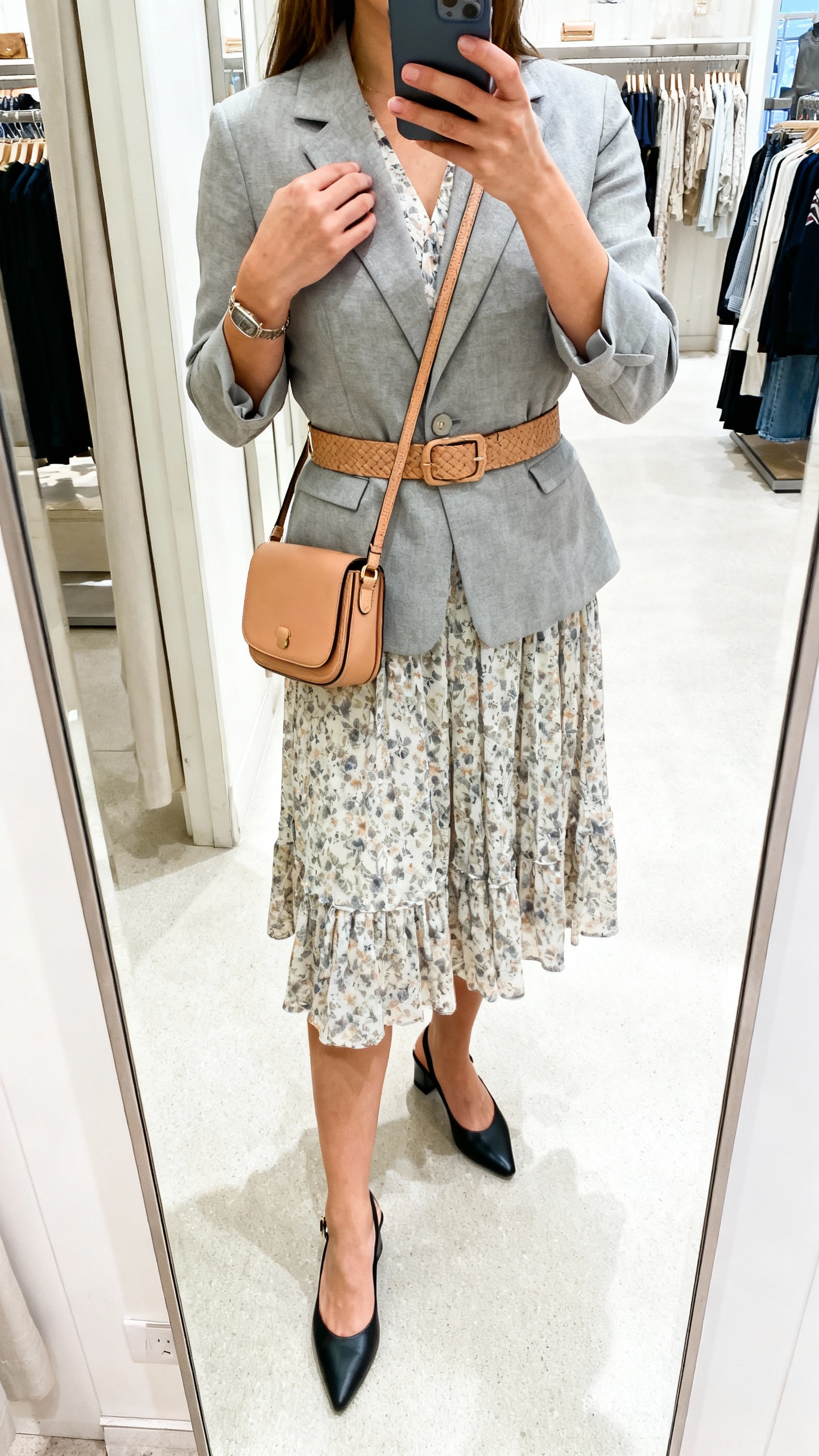
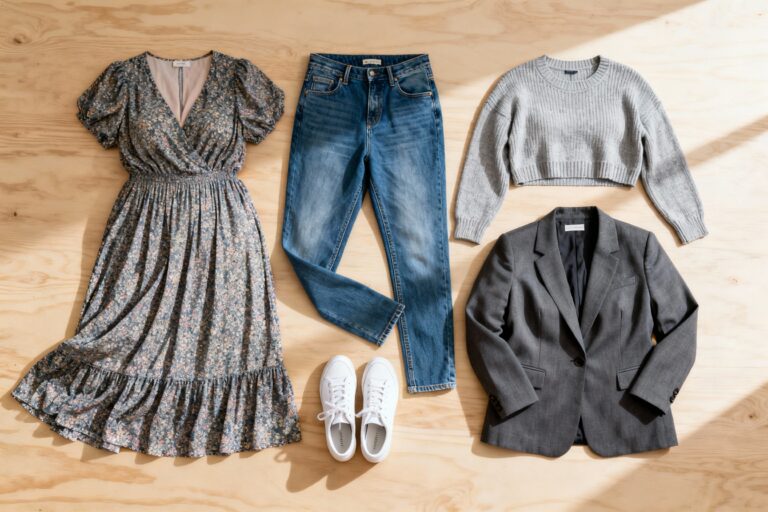
Take your favorite day dress and top it with a blazer. It’s the easiest way to look finished without trying too hard. The secret is tailoring both pieces so they play nicely together—defined shoulders, a nipped waist, and a dress hem that lands right where your shoes shine.
Outfit Pieces:
- Printed or solid day dress (wrap, A-line, or shirt-dress) in a flowy fabric
- Lightweight blazer in cream, stone, or soft gray
- Slingback flats or low block heels in tan or black
- Textured belt (woven or smooth leather)
- Structured mini satchel
Styling Tips:
- Blazer length game: For dresses, a blazer that hits at the high hip or just below the waist keeps proportions crisp. If yours is long and boxy, hemming it a couple inches can make it weekend-friendly.
- Waist definition: Add a small dart at the back of the blazer or slightly curve the side seams to create shape. On the dress, move belt loops to your natural waist so the belt sits correctly—tiny change, huge payoff.
- Neckline harmony: If your dress gapes at the bust, have the wrap secured with a hidden snap or the neckline subtly raised. For shirt-dresses, ask to reposition buttons for less pull.
- Hem synergy: If the blazer is cropped, the dress can go a bit longer. If the blazer is slightly longer, keep the dress above the knee. Tailor the dress hem for balance with your most-worn shoes.
- Sleeves that move: For rolled sleeves, have the lining shortened so it doesn’t peek out. Prefer clean lines? Hem sleeves to bracelet length for an easy push-up without bulk.
Where to wear: Saturday brunch, bookstore dates, casual dinners, or office-to-weekend transitions when you want to look polished but relaxed.
Bonus Tailoring Know-How You’ll Use Constantly
- Start with structure: Pieces with seams (side seams, darts, center-back seams) are easier to tailor than seamless styles.
- Shoulders are sacred: Buy jackets and coats that fit at the shoulders. Everything else is fixable, but shoulders are tough.
- Bring the right shoes: When tailoring pants or dresses, wear the shoes you plan to pair them with for accurate hemlines.
- Pin and test drive: Safety-pin potential alterations at home and move around. Sit, walk, reach. If it feels great pinned, it’ll feel great tailored.
- Mind the fabric: Wools and cottons tailor beautifully. Slippery satins and very stretchy knits need a specialist—ask your tailor before committing.
- Keep seam allowances: When possible, ask for generous seam allowances so you can let garments out later.
- Invisible fixes are best: Aim for changes that look like the garment always came that way—clean hems, aligned stitching, and matched patterns.
- Prioritize the three S’s: Shoulder, silhouette, sleeve. Nail those and everything else clicks.
How To Talk To Your Tailor Like A Pro
- Use measurements, not vibes: Say “take in the waist 1 inch” or “shorten sleeves 1/2 inch.” Specifics beat “make it fit better.”
- Point to problem spots: Stand in front of a mirror and show where fabric bubbles or pulls. Tailors see fit issues fast when you point them out.
- Ask for a pin fit: Have the tailor pin you into the new shape. Move around and check the back in a mirror before they sew.
- Bring the underlayers: The bra, shapewear, or shirt you’ll actually wear affects fit—especially for dresses and blazers.
- Set a budget: Simple hems and waist tweaks are usually affordable. Shoulder reconstructions or heavy lining adjustments cost more—ask for a quote first.
Quick Fixes You Can DIY (No Sewing Machine Required)
- Hem tape hero: Temporary fusible hem tape can hold pants at the perfect length until you commit to a permanent hem.
- Waist no-gap hack: A small elastic band looped through back belt loops can cinch a waistband invisibly in a pinch.
- Hidden safety snap: Add a tiny snap or hook-and-eye to wrap dresses or gaping blouses for instant polish.
- Steam and shape: Sometimes wrinkles mimic bad fit. A good steam sets the drape and helps you see what actually needs tailoring.
Fabric And Color Pairing Tips So Your Tailoring Shines
- Neutrals that look rich: Charcoal, cream, camel, and stone are endlessly chic and make clean tailoring pop.
- Texture equals depth: Pair matte knits with satin slips, or wool blazers with crisp cotton. Contrasting textures show off sharp lines.
- Hardware harmony: If your belt has gold hardware, keep jewelry warm-toned. Silver hardware? Match with cool-toned accessories.
- Proportion play: Taper below the knee if you’re wearing chunkier shoes; leave a wider hem for delicate flats to keep balance.
What To Tailor vs. What To Replace
- Tailor these: Blazers, trousers, jeans, skirts, button-downs, slip dresses. Small changes, huge results.
- Think twice: Very stretchy leggings, heavily embellished pieces, or very cheap fabrics that may not hold stitches well. Sometimes it’s smarter to replace.
- Vintage gems: Worth tailoring if the fabric is quality and seams are intact. Always check for dry rot or fragile lining first.
Care Tips To Protect Your Investment
- Hang with structure: Use wide-shoulder hangers for blazers so they hold shape and don’t stretch.
- Steam, don’t scorch: High heat can shine wool and crush satin. A handheld steamer keeps fabric fresh between wears.
- Spot clean first: Over-washing breaks down fibers and fit. Spot clean and air out between wears to maintain structure.
Mini checklist before your next tailor visit:
- Try on each outfit with the shoes and underlayers you’ll wear.
- Note specific issues: gaping, pooling, pulling, or sagging.
- Decide on a target length for sleeves, hems, and skirts.
- Take photos from front, side, and back to show your tailor.
- Set a budget and prioritize the pieces you’ll wear most.
Here’s the bottom line: tailoring is the cheat code to a wardrobe that looks designer, even if it’s not. With a few smart tweaks—shorter sleeves, a sharper waist, cleaner hems—your clothes will sit better, move with you, and honestly just make you feel amazing. Start with one outfit from this list, take it to your tailor, and get ready for compliments. You’ve got this, and your closet’s about to glow up in the best way.